
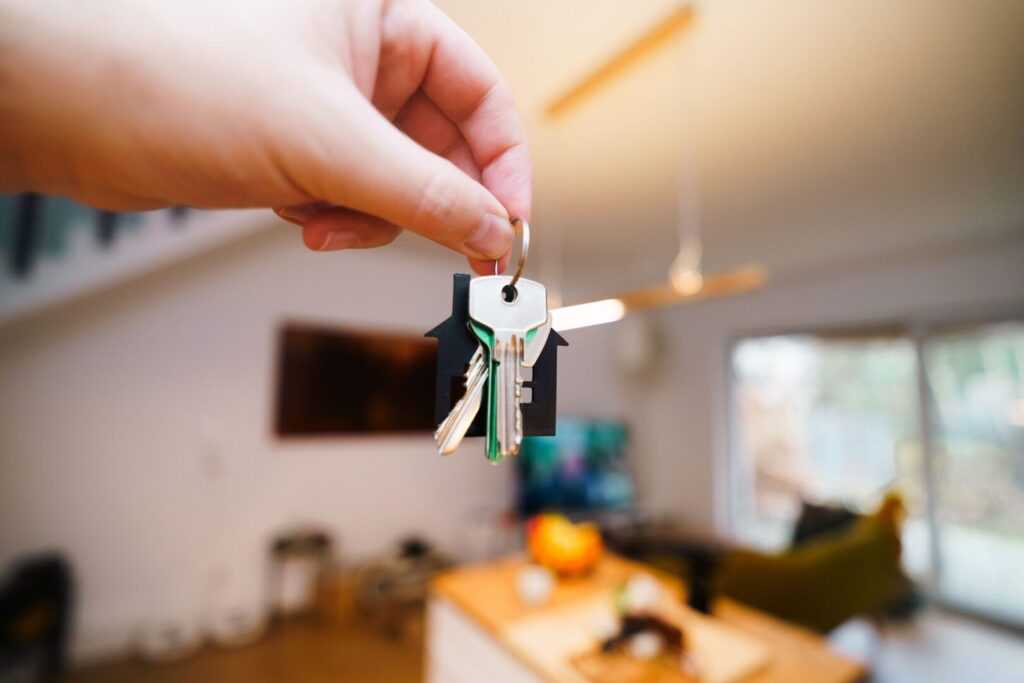
Shared living can make investors nervous for one reason: people.
The numbers may look good. The demand may be strong. The property may be in the right area. Still, one question usually comes up: what happens if tenants do not get along?
It is a fair concern. In any shared home, small issues can build quickly. Cleaning, bills, noise, bathrooms, and unclear expectations are usually where friction starts. But in a properly designed and professionally managed co-living property, most of these problems are not left for tenants to figure out on their own. Instead, they are managed before they become disputes.
Shared-living property management needs a different approach from traditional rental management. It is not just about collecting rent. It is also about creating a harmonious home that works for different types of people.
Why Tenant Friction Happens
Most tenant friction starts with everyday habits.
Someone leaves the kitchen messy. Someone uses more utilities. Someone feels the bathroom is always occupied. One tenant works from home while another wants quiet at night. None of these issues is unusual. But without clear systems, these concerns can affect tenant satisfaction and vacancy.
This is where a specialist co-living manager matters. A standard property manager may be used to dealing with one household. Co-living involves multiple tenants, shared spaces, room-by-room leases, and more frequent communication. For investors, that difference matters. A poorly managed property can lose tenants fast. A well-managed one gives tenants fewer reasons to leave.
Professional Cleaning Solves the Biggest Issue
Cleaning is one of the fastest ways for tension to build in shared accommodation.
When tenants are left to divide all cleaning themselves, standards become personal. One person’s “clean enough” is another person’s complaint. Regular professional cleaning removes much of that pressure.
Shared kitchens, bathrooms, hallways, and common areas need to feel maintained. It helps tenants feel that the property is being managed properly, not just rented out room by room. It also protects the tenant experience, supports inspections, and makes the property easier to re-lease when a room becomes available.
All-Inclusive Billing Reduces Arguments
Bills can become a problem quickly in shared homes.
One tenant may use more heating. Another may work from home. Someone else may feel they are barely using the utilities and should pay less. Once tenants start debating usage, the home can feel less convenient.
All-inclusive billing helps avoid that.
When utilities are included in the rent, tenants know their weekly cost from the beginning. There is less confusion, less chasing, and fewer awkward conversations between housemates.
This also helps when marketing co-living properties for rent. Many tenants choose co-living for affordability, convenience, and fewer surprises. Clear pricing supports that.
For investors, the structure needs to be priced carefully, but it can make the management process smoother.
Smart Design Prevents Daily Conflict
Good co-living is not just managed well. It is also designed well.
Private bathrooms, better sound separation, practical storage, and planned common areas can prevent many of the usual shared-living issues. When tenants have enough personal space, they are less likely to feel crowded.
This is where purpose-built co-living is different from a basic rooming setup. A converted property may still rent by the room, but if the layout was never designed for unrelated tenants, the pressure points show up quickly. A good co-living model focuses on properties designed and planned for shared living from the start, covering compliance, layout, location, and tenant demand.
Compliance Supports a Better Property
Compliance is often discussed from an investor’s perspective, but it also affects the tenant experience.
A properly classified and certified property gives everyone clearer expectations. The building is designed for its use, the layout supports the number of occupants, and the investor is not relying on a setup that may create issues later.
This is why it is important to understand the difference between purpose-built co-living and a rooming house. In Australia, the property classification can affect finance, insurance, valuation, tenancy, and resale.
Another useful research reference is “Shared urbanism: Big data on accommodation sharing in urban Australia.” It looks at how shared accommodation has grown across Australian cities as housing affordability pressures and tight rental markets continue.
When compliance is ignored, the risk is bigger than a few complaints. It can affect insurance, approvals, financing, and future saleability.
Good Management Helps Reduce Vacancy
Tenant friction affects income.
If tenants feel the property is disorganised, they leave sooner. If common spaces are not maintained, complaints increase. If no one is clearly responsible for issues, trust drops.
Vacancy is not only about demand. It is also about whether tenants want to stay. That is why co-living needs specialist management from the start. The question is not simply how many properties property managers manage. The better question is whether they understand multi-tenant coordination.
Room turnover, shared-space standards, maintenance, communication, and inspections all need a clear process. Without that structure, a high-yield property can become difficult to hold.
The Right System Makes Shared Living Easier
Tenant friction cannot be removed completely. People are still people.
But most common issues can be reduced with the right structure. Professional cleaning removes arguments about shared spaces. All-inclusive billing keeps costs clear. Smart design gives tenants more privacy. Proper compliance protects the investment and supports a better living environment.
For investors, the goal should not be to hope tenants get along. The goal is to create a property where the usual sources of conflict have already been handled.
At The Harmony Group, the goal is not only higher yield. The property also needs to work for the people living in it. We help investors approach co-living with the right structure from the beginning. From design and compliance to tenant demand and management planning, our focus is on creating homes that work for investors and residents.
Our co-living investment approach focuses on long-term tenant satisfaction, lower vacancy risk, and positive cash flow. Strong returns come from more than renting out rooms. They come from building a property people can live in comfortably.
If you’re exploring co-living as an investment, contact us to discuss how the right property and management model can support stronger long-term returns.