

You have to be smart about where to invest your money in the Australian property market, but like any decision, it is easier said than done. It helps to start by learning more about the playing field—including the potential risks. For starters, different types of property investments come with their levels of uncertainty. Some offer a smoother, more predictable path, while others can be more of a rollercoaster ride. So, if you’re looking to make savvy property moves in 2025, let’s break down which investment types may offer more security and which can carry a bit more excitement.
What Are the Risk Triggers?
Risk in property investments is, of course, the potential for losing money. But if you dig deep, you will learn that you can break it down to more specific circumstances, such as the possibility of lower-than-anticipated returns, difficulties in finding tenants or buyers when needed, and the costly impact of unforeseen external factors.
If you want to analyse the risk level of a property investment type in Australia, it pays to look at several factors that can trigger that risk. Here are some of these triggers:
- the overall health of the Australian economy, including interest rate movements (for example, recent RBA cuts), inflation, and GDP growth
- prevailing market trends such as supply and demand dynamics and vacancy rates in different states, suburbs and towns
- specific attributes of a property’s location, including infrastructure development and the strength of the local economy
- the fundamental characteristics of the property type itself
- shifts in government regulations affecting the property market
- global economic events (albeit to a lesser extent)
The Steadier Bets: Lower Risk in Aussie Property
Suppose you prefer a smoother ride with less potential for big surprises. In that case, your focus should likely be on established houses and apartments in the well-known areas of major cities. Best examples include Sydney’s inner west, Melbourne’s leafy east, or Brisbane’s established southside. These aren’t the areas making headlines with crazy boom growth, but they have something more valuable: consistent demand. People want to live there because of the schools, the transport links, the lifestyle, and a whole other set of good reasons. That steady demand translates to reliable rental income and a more stable path for capital growth over the long term.
It’s not about getting rich quickly; it’s about building wealth steadily. And when you can secure a long-term lease with a quality tenant in these lower-risk properties, you’re essentially anchoring your income, making things even more predictable.
Navigating More Volatile Waters: Higher Risk Investments
On the flip side, if you’re willing to take on more potential for ups and downs in pursuit of higher gains, feel free to look at these high-risk real estate investments:
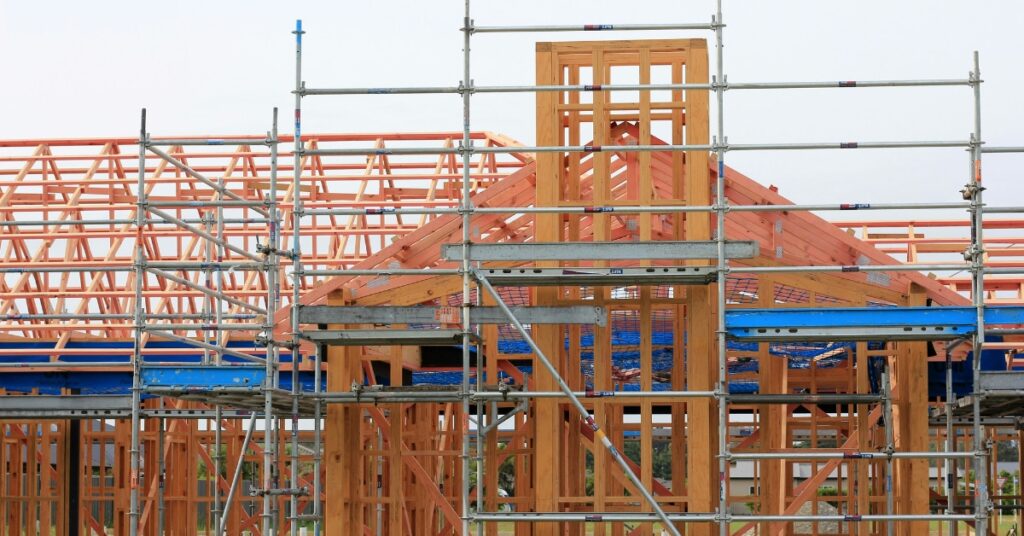
Off-the-Plan Developments
Buying off-the-plan is a prime example. You’re committing funds to something that exists only on paper. Construction delays are a real possibility, and the final product might not always live up to the initial marketing. Plus, the market can shift significantly between your purchase and completion, potentially affecting property valuation and your ability to find tenants or buyers at your target price. It can work out well, but you need to be prepared for a higher degree of uncertainty.
Niche Real Estate Markets
Specialised property types may carry a certain level of risk. For instance, student accommodation heavily relies on student numbers and university policies. Holiday rentals can see massive swings depending on tourism trends and the overall economy. These sectors can offer strong returns when things are good, but they also carry a higher risk of vacancies and fluctuating income during the off-season or if their specific market faces challenges. You may have to be a true expert in these areas or hire a seasoned investment advisor to navigate them successfully.
Land Developments or Subdivisions
Venturing into land development or subdivision is another high-risk, high-reward play. You may need to deal with council regulations, zoning hurdles, unexpected changes in construction timelines, and shifts in buyer preferences or market demand for the finished product. The potential for significant returns is there, but so is the potential for substantial losses if things don’t go according to plan.
Emerging Property Markets
Finally, investing in areas touted as the “next big thing” carries risks. While the potential for high growth is the draw, these areas often lack the established infrastructure and proven demand commonly associated with more mature markets. Essentially, you’re betting on future development and population growth. If it happens, great. If not, your investment could stagnate.
Mitigating Risk in Your Australian Property Portfolio
Whether you’re going for a low or high-risk property type, you need effective risk mitigation strategies to protect your investments. Here are some things you can do:
- Perform thorough market research and due diligence. In turn, you can make informed decisions based on data and analysis rather than speculation.
- Diversify your portfolio across different locations or property types. Doing so helps your investment portfolio cushion against localised market downturns.
- Maintain a strong financial buffer. Like in any business, you need a buffer to weather unexpected expenses or periods of vacancy.
- Get professional advice from experienced professionals. These include financial advisors, legal professionals, and property investment experts.
- Implement robust property management practices. Doing so ensures your assets are well-maintained and tenant relationships are effectively managed.
The Bottom Line
The bottom line is that the Australian property market in 2025 offers a range of risk profiles. The “safer” bets tend to be established properties in strong metropolitan areas with reliable rental demand. The higher-risk opportunities often come with the potential for greater returns—and a greater chance of things not going as planned. Your comfort level with risk, financial goals, and investment timeline will ultimately dictate the best investment path. Let’s talk about what those look like for you.
At The Harmony Group, we can help create your pathway to financial freedom through smart property investment. Our advice is backed by market-leading data from SQM research, expert insights and a tailored approach. Contact us today.