
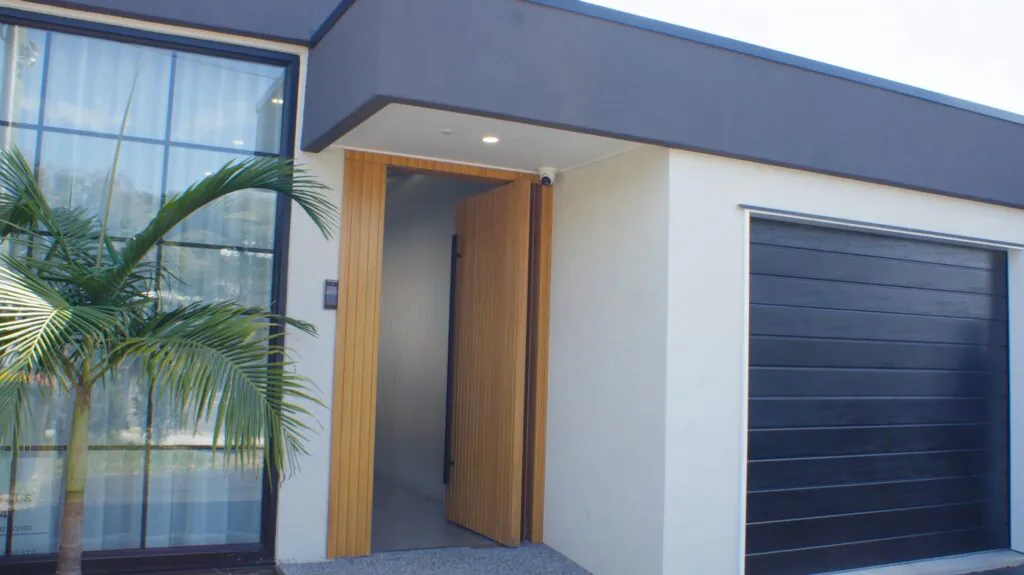
The Harmony Group today builds nine-bed co-living properties in Melbourne, across the middle ring, Frankston and a smaller area around Geelong, for investors across every state in Australia. The story below is about an earlier Brisbane project and the press coverage it received, useful context for anyone comparing markets.
The mainstream media doesn’t usually cover Co-Living like this:
Most property stories in 2026 are about pain: the Budget hurting investors, limited opportunities…
So when news.com.au and realestate.com.au both ran a story this week about a Brisbane Co-Living property we completed… it stood out.
Not because of hardship, but because of how great results were for the investor of a Co-Living Property:
25 people queued for a single vacancy in this 10-studio Co-Living & more than 100 registered to inspect.

The Demand Nobody Talks About
Quoting realestate.com.au, our property has been at full occupancy since opening in December.
As Tony Draper, founder at The Harmony Group, told the journalists:
“This property reached full occupancy within weeks of opening and has remained full ever since…. Having a 25-person waitlist and more than 100 people wanting to inspect shows there’s significant demand for high-quality co-living accommodation across Brisbane.”
That’s not a distressed investor.
That’s an investor with structural, persistent demand for a product the market isn’t supplying enough of.
The Story Behind The Numbers
The investor behind that property had a standard rental house on the same site for 10 years: earning $450 to $500 per week.
He wanted more cash flow, so he knocked it down and built 2 five-bedroom Co-Living properties side by side.
Modern co-living building in Sydney skyline, dusk lighting
As Tony explained in the article:
“He wanted to get some more cash flow. There was enough space here to actually subdivide and put a five bedroom co-living property. Now he is literally getting up to $500 per room.”
The same site and tame suburb, but a completely different outcome: because the asset class changed.
At The Harmony Group, that’s what we mean when we say Co-Living generates 3 to 4x the revenue of a traditional residential property.
And it’s why our most recent nine-bed co-living projects deliver an 11.36% gross yield on base project cost. Average figures based on most recent projects.
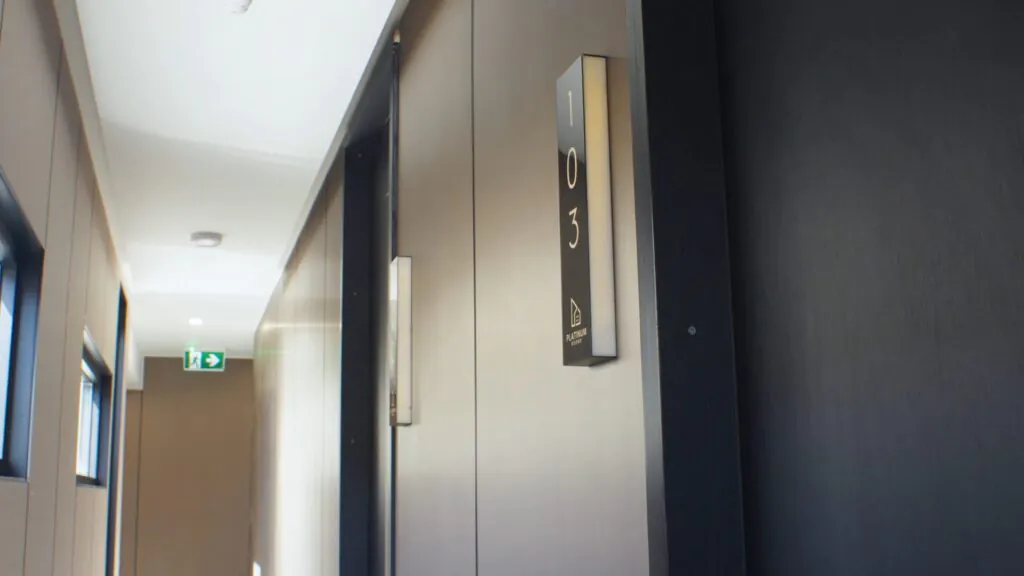
This Isn’t the “Standard Housing” Story
Most coverage of Co-Living describes a different product: lower-quality operators chasing volume at the bottom of the market.
That’s not where the yield opportunity is.
The real opportunity is the tenant those operators are ignoring: the professional renter who earns good money, has options, and is choosing Co-Living because it’s simply the smarter deal.
Modern co-living building in Sydney skyline, dusk lighting
And as Tony noted: “People are looking for privacy and independence, but they also want convenience and a sense of community. That’s exactly what this model delivers.”
That segment is critically underserved in 2026: which is exactly why our properties stay full, people are happy to pay for them, and why our yields hold.